June Queer Education Moments: The People Who Kept Us Alive
Pride did not begin with rainbow merchandise, parades, or celebrations. It began with people refusing to accept a world that denied their dignity, safety, and humanity. The joy we celebrate today exists because generations of LGBTQ+ people and allies fought to create it. Every June, we spend a lot of time talking about Pride. We celebrate. We gather. We share stories. We put rainbows on things. And I love all of that.
But one of the things I’ve been thinking about this year is how easy it can be to forget that Pride was never just about visibility. Pride is really a story about community. It’s a story about the people who stepped in when families couldn’t or wouldn’t. The people who sat at hospital bedsides. The people who opened their homes, shared resources, organized protests, built organizations, and created spaces where someone else could finally take a breath and feel safe.
When I look at the observances that fill the month of June, that’s the thread I see connecting all of them.
Sometimes Family Is the People Who Stay
We kick off June with LGBTQ+ Families Day. Most conversations about LGBTQ+ families focus on marriage, parenting, or legal recognition. Those things matter. But I think one of the most beautiful parts of queer history is our understanding that family has always been bigger than biology.
The phrase “chosen family” gets used a lot now. It’s become part of mainstream language. But chosen family wasn’t created because it sounded nice. It was created because people needed it. For generations, LGBTQ+ people risked losing relationships, housing, jobs, faith communities, and support systems simply by being honest about who they were. When traditional systems failed, communities stepped in.
Chosen family became the friend who offered a couch. The mentor who showed you that a future was possible. The people who celebrated your wins, showed up for your losses, and reminded you that you weren’t alone. If you’d like to learn more about LGBTQ+ families and the work being done to support them, Family Equality has excellent resources and stories from LGBTQ+ families across the country. Link: Family Equality
The Generation That Refused to Disappear
June 5 is HIV Long-Term Survivors Awareness Day, and honestly, I don’t think we talk enough about the people this day honors. There are LGBTQ+ elders alive today who watched entire friend groups disappear. People who attended funeral after funeral while governments debated whether their communities were worth helping. People who became caregivers because no one else would. People who fought for research, treatment, education, and dignity while navigating unimaginable grief.
The HIV/AIDS epidemic changed the LGBTQ+ community forever. It shaped how we organize, how we care for one another, and how we understand community responsibility. Many of the support systems we celebrate today were built by people who were simply trying to keep each other alive. HIV Long-Term Survivors Awareness Day gives us an opportunity to honor those stories and ensure they are not lost to history. Link: HIV Long-Term Survivors Awareness Day
Why Safe Spaces Matter More Than Ever
June 12 marks Pulse Remembrance Day. When people talk about Pulse, they often describe it as a nightclub. Technically, that’s true. But if you’ve ever had a place where you could finally relax your shoulders, stop editing yourself, and just exist as you are, then you understand why Pulse mattered.
For many LGBTQ+ people, community spaces have always been about much more than socializing. They are places where people find belonging. They are where friendships begin, mentors appear, relationships grow, and identities are explored safely. Pulse was one of those places.
When it was attacked in 2016, it wasn’t just the loss of life that devastated people. It was the realization that even our safest spaces could be vulnerable. Pulse Remembrance Day asks us to remember those we lost and to recommit ourselves to building communities where people can live openly and safely.
Link: onePULSE Foundation
Rights That Are Much Younger Than We Think
Many people are surprised to learn how recently some of the biggest LGBTQ+ legal victories occurred. The Supreme Court’s decision in Bostock v. Clayton County was handed down in 2020. Before that ruling, LGBTQ+ people in many places could legally lose their jobs because of their sexual orientation or gender identity. Read that again. 2020. That’s not history. That’s yesterday.
The anniversary of Bostock on June 12 reminds us that workplace protections many people now take for granted are incredibly recent. Link: Bostock v. Clayton County Overview
A few weeks later, on June 26, we recognize the anniversary of Obergefell v. Hodges, the Supreme Court decision that established marriage equality nationwide. Marriage equality was never only about weddings. It was about hospital visitation rights. Medical decision-making. Adoption. Inheritance. Immigration. Taxes. Family recognition. It was about dignity. For many LGBTQ+ couples, Obergefell wasn’t simply a legal victory. It was validation that their relationships mattered and deserved equal protection under the law.
Link: Obergefell v. Hodges Overview
Freedom Is Always Connected
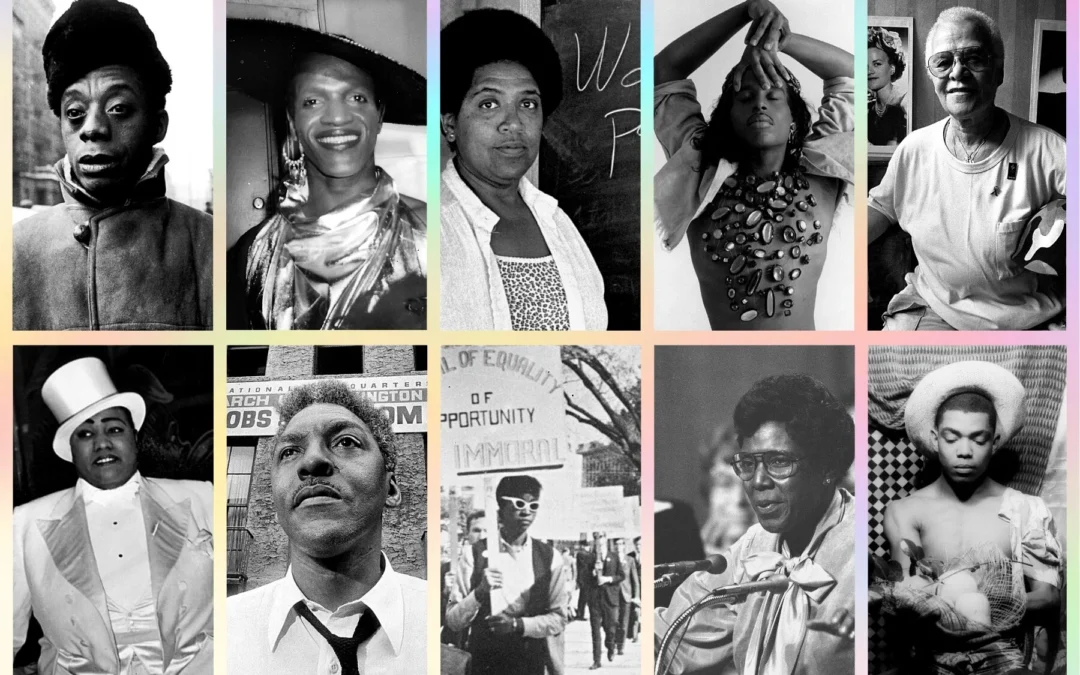
On June 19, we celebrate Juneteenth. While Juneteenth is not an LGBTQ+ observance, it is impossible to talk about LGBTQ+ history honestly without talking about Black history. Some of the most influential leaders, activists, artists, and organizers in LGBTQ+ history have been Black queer and trans people. Their contributions shaped the movement we know today, even when mainstream narratives failed to acknowledge them.
Juneteenth reminds us that justice movements are connected. Freedom expands when communities work together, and it is weakened when we treat struggles for equality as separate conversations. Link: National Museum of African American History & Culture’s Juneteenth Resource Guide
The Story Behind the Pride Flag
We close the month by recognizing National HIV Testing Day on June 27 and Stonewall Day on June 28. National HIV Testing Day reminds us how far science, medicine, and advocacy have come. It is also a reminder that education saves lives and that stigma continues to create barriers to care. Link: CDC National HIV Testing Day
The next day, we commemorate the Stonewall Uprising. Most people know Stonewall happened. Far fewer know what actually happened. Stonewall wasn’t the beginning of LGBTQ+ activism, but it became a spark that ignited a movement. It happened because ordinary people reached a point where they were no longer willing to quietly accept discrimination, harassment, and exclusion.
The people who resisted that night weren’t trying to become historical figures. They were trying to survive. And yet their actions changed the course of history. Every Pride celebration traces part of its roots back to that moment.
Link: National Park Service Stonewall National Monument
The Thread Running Through All of It
If there is one lesson that connects all of June’s observances, it’s this: We are here because people showed up for one another. They built families when family wasn’t available. They cared for friends when institutions failed. They fought for rights that many of us now take for granted. They created spaces where others could belong.
And every time we choose to create a welcoming workplace, support a colleague, mentor a student, advocate for equity, or simply make room for someone to show up as their authentic self, we continue that legacy. Pride is celebration. Pride is remembrance. Pride is community. And Pride is the ongoing choice to keep showing up for one another.
Blog content written by: Stephanie Goss