February Queer Education Moments: Remembering, Resisting, and Recommitting to Care
Credit to Jake Young at BraveTrails.org
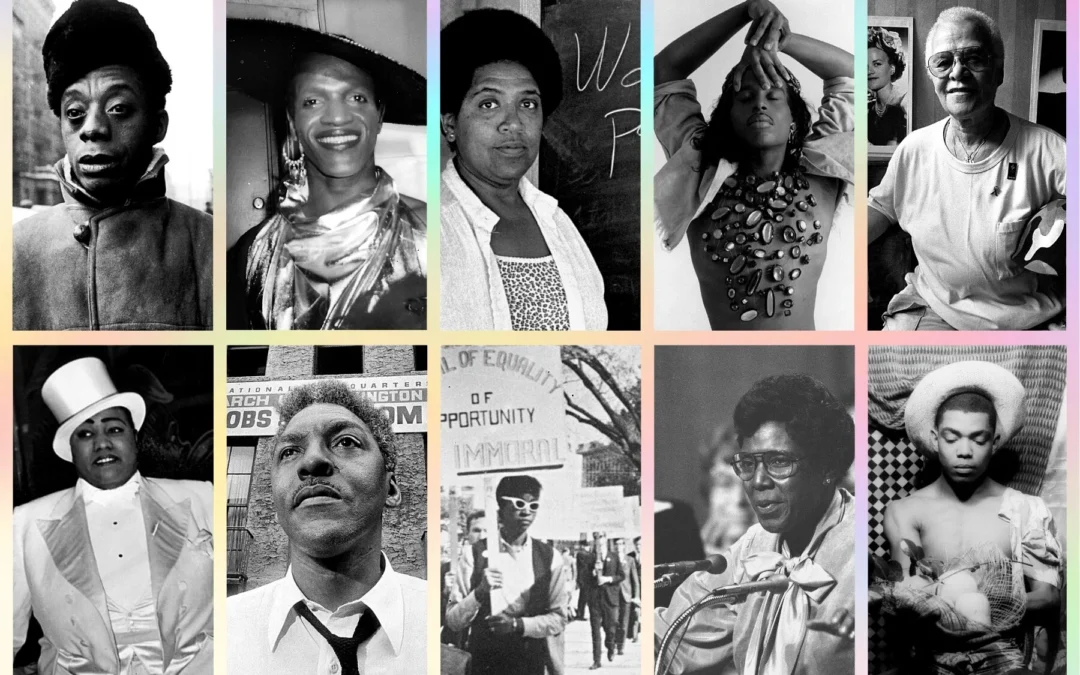
February offers us multiple moments to pause, learn, and recommit to care — for one another and for the broader world we are helping to shape. In the United States, February begins with Black History Month. There is no American history without Black history. And there is no LGBTQ+ history without Black queer history. It is not a footnote. It is the foundation.
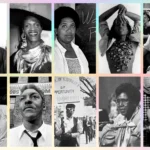
From the earliest movements for liberation, Black queer and Black trans people have been architects, strategists, healers, and visionaries of change. Many of the rights, visibility, and cultural touchstones the broader LGBTQ+ community experiences today exist because Black queer elders put their bodies, safety, and futures on the line — often without recognition, protection, or credit.
The modern LGBTQ+ rights movement was shaped decisively by Black and Brown trans women, including Marsha P. Johnson and Sylvia Rivera, whose leadership during and after the Stonewall uprising centered those most marginalized. Their work uplifted unhoused queer youth, trans people of color, sex workers, and those navigating poverty, racism, and criminalization — long before “intersectionality” became mainstream language.
Black queer history also lives beyond moments of protest. It exists in mutual aid networks, ballroom culture, underground family systems, art, music, caregiving, and survival strategies forged in response to exclusion from both white LGBTQ+ spaces and cis-heteronormative Black institutions. Ballroom culture, created by Black and Latinx queer and trans communities, was not just performance. It was safety, affirmation, mentorship, and chosen family in a world that offered little protection.
Black trans elders in particular have carried a disproportionate burden. They have led movements while enduring some of the highest rates of violence, housing insecurity, incarceration, and medical discrimination — often while being erased from the very narratives they helped build. Honoring this history means naming a hard truth: liberation has always been powered by those most at risk, even when they were the least protected.
This history matters not only because of where we have been, but because of where we are now. Black trans people today continue to face extraordinary barriers to safety, healthcare, employment, and dignity. Remembering Black queer history is not an abstract exercise — it is a call to protect living people, to listen to Black trans voices, and to ensure leadership and resources reflect the communities they serve.
LGBTQ+ History Month in the UK: Resistance, Reform, and Resilience
For our members and friends in the United Kingdom, February is LGBTQ+ History Month — a time to reflect on the long arc of queer life, resistance, and reform in the UK, and the people whose courage reshaped law, culture, and possibility. Queer and trans people have always existed in Britain, but for much of modern history, their lives were criminalized, pathologized, or erased. For decades, consensual relationships between men were illegal, forcing generations to live in secrecy and fear. One of the most well-known victims of this system was Alan Turing, whose prosecution in the 1950s for being gay stands as a stark reminder of how discrimination robbed society of brilliance, safety, and dignity. 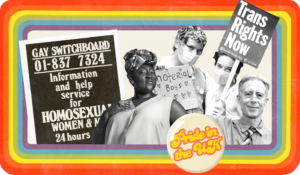
Change came slowly and was hard-won. The Sexual Offences Act of 1967 partially decriminalized sex between men in England and Wales, though with significant restrictions that did not apply to heterosexual couples. Progress was uneven, and backlash followed. In 1988, the UK government enacted Section 28, a law that prohibited schools and local authorities from “promoting homosexuality,” effectively silencing LGBTQ+ identities in education and public life.
Rather than erasing queer communities, Section 28 galvanized them. In response, activists founded Stonewall in 1989, marking a turning point in coordinated LGBTQ+ advocacy in the UK. Grassroots organizing, public protest, and legal challenges slowly dismantled discriminatory policies, culminating in the repeal of Section 28 in the early 2000s.
The 21st century brought landmark reforms. The Gender Recognition Act 2004 allowed trans people legal recognition of their gender for the first time. The Equality Act 2010 established protections against discrimination based on sexual orientation and gender reassignment. And in 2013, same-sex marriage became legal in England and Wales, affirming the right of LGBTQ+ couples to formal recognition and protection.
UK LGBTQ+ History Month reminds us that progress was never inevitable. It was built through persistence, protest, and collective courage — and it remains unfinished. Learning this history deepens our understanding of the present and strengthens our responsibility to protect and expand inclusion today.
National Freedom to Marry Day: Love, Law, and the Fight for Equality
On February 12, we recognize National Freedom to Marry Day in the United States — a day that honors the decades-long movement for marriage equality and the people who fought to ensure that love, commitment, and family receive equal recognition under the law.
For much of U.S. history, marriage was explicitly denied to same-sex couples, reinforcing legal and social exclusion. The fight for marriage equality was never just about weddings. It was about hospital visitation, inheritance, parental rights, immigration status, and the basic dignity of having one’s family recognized as legitimate.
Activists, couples, and advocates worked across generations and states to challenge discriminatory laws, often at great personal risk. Organizations like Freedom to Marry helped coordinate legal strategy and public education, while countless couples served as plaintiffs, sharing their lives publicly in the pursuit of equality.
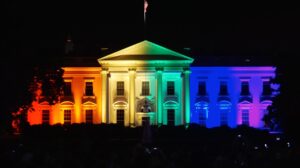 That movement culminated in 2015 with the Supreme Court decision in Obergefell v. Hodges, which affirmed that the right to marry is guaranteed to same-sex couples nationwide. It was a historic victory — and a reminder that constitutional protections expand only when people demand them.
National Freedom to Marry Day also invites reflection. Marriage equality was not evenly achieved, nor does it protect everyone equally. LGBTQ+ people — particularly trans people, people of color, and those living in poverty — still face legal and systemic barriers that marriage alone does not resolve. Rights won can be challenged, rolled back, or made conditional.
This day is both a celebration and a call to vigilance. It honors the power of collective action while reminding us that equality is not a finish line, but an ongoing responsibility.
A Shared Thread
Together, these February observances tell a connected story. Across countries, cultures, and movements, LGBTQ+ history has been shaped by people who refused to accept erasure, who organized in the face of punishment, and who imagined futures that did not yet exist. Honoring Black History Month, UK LGBTQ+ History Month, and National Freedom to Marry Day is not about nostalgia. It is about understanding how rights are built, who pays the highest cost for progress, and how our choices today shape what comes next.
Taken together, these observances ask something of us. They invite us to learn the histories we were not always taught, to notice whose voices are amplified or erased, and to remember that equity lives in daily choices, leadership decisions, and the cultures we create. Honoring these moments is not about politics. It is about people — remembering where we have been, acknowledging the realities many still face, and choosing, again and again, to build a profession and a world where everyone belongs.
Blog content written by: Stephanie Goss